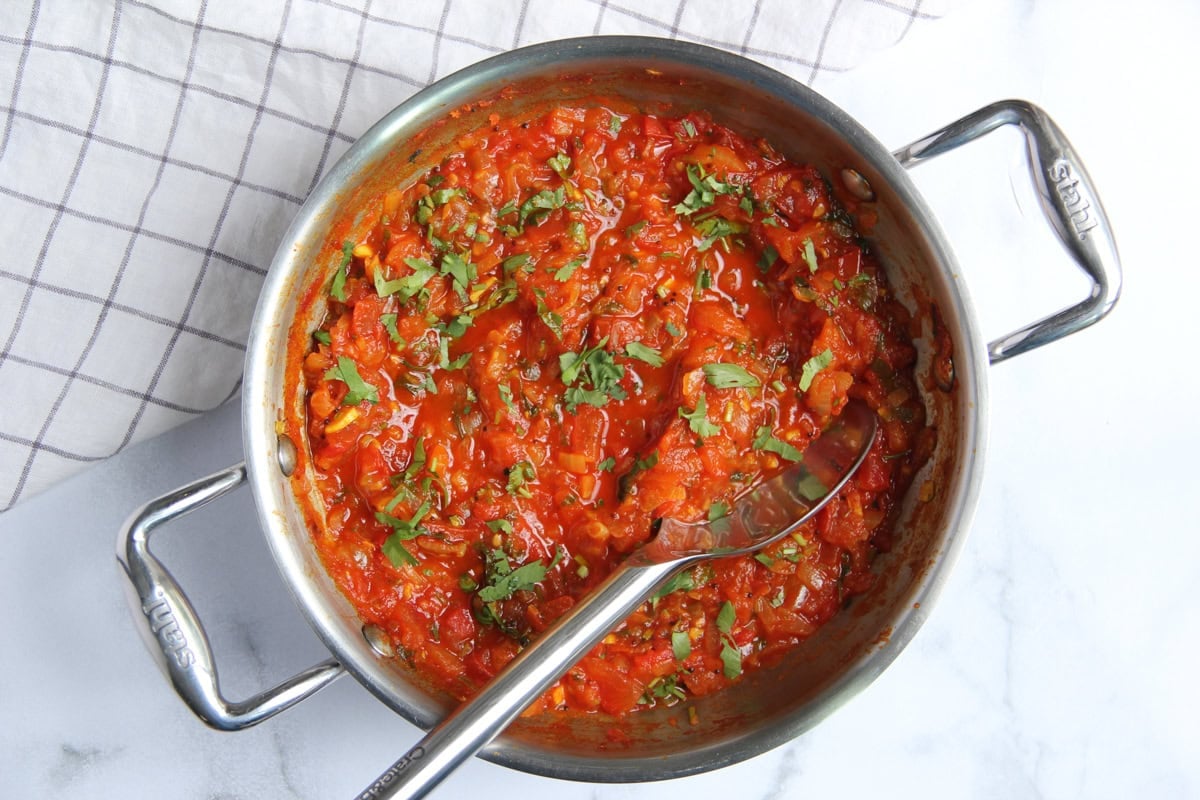
Discover the Delicious World of Homemade Tomato Chutney
Few condiments possess the vibrant flavour and versatility of tomato chutney. This delightful preserve, made primarily from ripe tomatoes, sugar, vinegar, and a medley of spices, offers a perfect balance of sweet, sour, spicy, and savoury notes. Whether you're a seasoned chef or a home cooking enthusiast, making your own tomato chutney is a rewarding experience that elevates everyday meals into culinary adventures. It's a staple in many global cuisines, cherished for its ability to cut through richness, add a zing to bland dishes, and simply tantalise the taste buds. From a simple spread on toast to an accompaniment for elaborate feasts, tomato chutney is a condiment that truly shines.The Vibrant World of Tomato Chutney: A Culinary Journey
At its heart, tomato chutney is a condiment born from the desire to preserve the summer's bounty of tomatoes. Originating perhaps independently in various parts of the world, from the Indian subcontinent to the British Isles and beyond, it has evolved into countless regional variations. Each version tells a story of local produce, spice preferences, and culinary traditions. What makes tomato chutney so universally appealing is its incredible adaptability. It can be fiery hot, mildly sweet, intensely tangy, or beautifully balanced, depending on the ingredients and proportions used. Making tomato chutney at home allows you to control every aspect of its flavour profile. You can choose the freshest, ripest tomatoes, adjust the sweetness to your liking, and experiment with an array of aromatic spices. This level of customisation is simply not possible with store-bought varieties, which often contain preservatives and artificial flavourings. Furthermore, the process of slow-cooking tomatoes and spices together fills your kitchen with an intoxicating aroma, making the preparation itself a sensory pleasure. It���s not just food; it’s an experience, a labour of love that culminates in jars of deliciousness ready to be enjoyed for weeks or even months.Key Ingredients That Make a Great Tomato Chutney
- Tomatoes: The star of the show. Ripe, fleshy tomatoes like Roma, San Marzano, or even good quality beefsteak tomatoes work best. The riper, the more flavourful.
- Aromatics: Onions, garlic, and ginger form the aromatic base, providing depth and pungency.
- Vinegar: Apple cider vinegar, white wine vinegar, or even malt vinegar provide the essential tang and act as a natural preservative.
- Sweetener: Granulated sugar, brown sugar, jaggery, or maple syrup balance the acidity of the tomatoes and vinegar.
- Spices: This is where the magic happens! Mustard seeds, cumin seeds, fenugreek, chilli powder, turmeric, garam masala, and curry leaves are common choices, often toasted to release their full aroma.
- Salt: Essential for flavour enhancement and balancing.
Crafting the Perfect Tomato Chutney: Tips and Techniques
Creating a truly memorable tomato chutney involves more than just following a recipe; it's about understanding the interplay of ingredients and mastering a few key techniques. The journey begins with selecting the right tomatoes. Opt for firm, red, ripe tomatoes that are heavy for their size. Overly watery tomatoes can make the chutney thin and require longer cooking times. Peeling and deseeding tomatoes is optional but can result in a smoother texture. For peeling, a quick blanch in boiling water followed by an ice bath works wonders. Balancing the core flavours—sweet, sour, spicy, and umami—is crucial. If your tomatoes are very sweet, you might need less sugar. If they are tart, a little more sugar might be required. Always taste and adjust as you go. The cooking method itself is relatively simple: a slow, patient simmer allows the flavours to meld beautifully and the chutney to thicken naturally. Rushing this process can result in a less complex flavour and a watery consistency.Essential Ingredients and Variations
When it comes to spices, the world of tomato chutney is your oyster. For a classic British-style chutney, think mustard seeds, ginger, and a touch of allspice. For an Indian-inspired version, cumin, coriander, fenugreek, and a hint of chilli are often used. South African chutneys might incorporate dried fruit like apricots or raisins, adding another layer of sweetness and chewiness. Don't be afraid to experiment with whole spices versus ground, and consider a quick toast of whole spices in a dry pan before grinding or adding them to the pot to unlock their full aromatic potential.Beyond the core ingredients, consider these additions for extra complexity:
- Dried Fruits: Raisins, sultanas, or chopped dates add sweetness and a pleasant chew.
- Nuts: Toasted cashews or peanuts can provide a textural crunch, particularly in South Indian styles.
- Herbs: Fresh curry leaves, cilantro, or even a sprig of thyme can infuse unique aromas.
- Citrus Zest: A little lemon or orange zest can brighten the flavour profile.
Step-by-Step Guide to a Basic Tomato Chutney
- Preparation: Chop tomatoes, onions, garlic, and ginger. Gather your spices and measure out sugar and vinegar.
- Sauté Aromatics: In a large, heavy-bottomed pot, heat a little oil. Add mustard seeds (if using whole) and let them splutter. Then add chopped onions, garlic, and ginger. Sauté until softened and fragrant.
- Add Tomatoes and Spices: Stir in the chopped tomatoes, along with all your chosen ground spices (turmeric, chilli powder, etc.), and salt.
- Simmer with Sweetness and Tang: Add the sugar and vinegar. Bring the mixture to a boil, then reduce heat to a gentle simmer.
- Slow Cook to Perfection: Cook uncovered, stirring occasionally, for 1-2 hours (or even longer), until the chutney thickens to your desired consistency and most of the liquid has evaporated. It should be thick enough to hold its shape on a spoon.
- Cool and Jar: Allow the tomato chutney to cool slightly before spooning it into sterilised jars.
Elevating Your Meals: Serving Suggestions and Storage
The true beauty of tomato chutney lies in its incredible versatility as a condiment. It can transform a simple meal into something extraordinary. Here are just a few ideas:- Cheese and Crackers: A classic pairing. The tang and sweetness of the chutney cut through the richness of cheese beautifully.
- Grilled Meats and Burgers: Use it as a flavourful relish for barbecued chicken, grilled fish, pork chops, or as a gourmet burger topping.
- Sandwiches and Wraps: Spread it inside your favourite sandwich or wrap for an instant flavour boost.
- Indian and South Asian Cuisine: A natural accompaniment for curries, dosas, idlis, parathas, samosas, and pakoras.
- Breakfast Bliss: Serve it alongside scrambled eggs, omelettes, or simply spread on toast.
- Appetizer Dip: Mix with cream cheese for a quick and flavourful dip.
Beyond the Basics: Exploring Different Styles of Tomato Chutney
The global pantry offers an astonishing array of tomato chutney styles, each a testament to regional flavours and culinary creativity. For instance, a traditional South Indian Thakkali Chutney might feature coconut, fresh curry leaves, and a tempering of mustard seeds and dried chillies, offering a lighter, fresher profile often served with breakfast items like dosa or idli. In contrast, a robust British Ploughman's Chutney might contain apples or dates alongside the tomatoes, simmered for hours until jammy and deep in flavour, perfect with mature cheddar. You can also play with the balance of sweet versus savoury, or spicy versus mild. For a sweeter chutney, increase the sugar and perhaps add some dried apricots or figs. For a spicier kick, introduce more fresh chillies, red pepper flakes, or a potent chilli powder like Kashmiri chilli. Consider smoking some of your tomatoes before cooking for a deep, smoky flavour profile, or adding a dash of smoked paprika. The possibilities are truly endless, limited only by your imagination and what's available in your pantry. To troubleshoot common issues like consistency or flavour balance, refer to tomato chutney - Article 3 for expert tips.Frequently Asked Questions About Tomato Chutney
Can I use canned tomatoes for tomato chutney?
Yes, absolutely! Canned diced or crushed tomatoes are an excellent alternative, especially when fresh, ripe tomatoes are out of season. They often save you the step of peeling and dicing. Just ensure they are good quality, preferably plum tomatoes for best flavour.
How long does homemade tomato chutney last?
Properly sterilised and sealed jars of homemade tomato chutney can last in a cool, dark pantry for 6-12 months. Once opened, store in the refrigerator and consume within 2-4 weeks.
Why is my chutney too thin/thick?
If your chutney is too thin, it likely needs more cooking time. Continue to simmer gently, uncovered, until it reduces and thickens. If it's too thick, you can stir in a little boiling water or vinegar a tablespoon at a time until you reach your desired consistency.
What if I don't have fresh ginger?
You can substitute fresh ginger with ground ginger, using about 1/2 teaspoon of ground ginger for every tablespoon of fresh grated ginger, or use a good quality ginger paste.
Is tomato chutney healthy?
While tomato chutney contains sugar, it also offers nutrients from tomatoes (lycopene, vitamins C and K) and the health benefits of various spices (antioxidants, anti-inflammatory properties). When made at home with fresh ingredients, it's a much healthier alternative to many processed store-bought condiments, especially when consumed in moderation.
