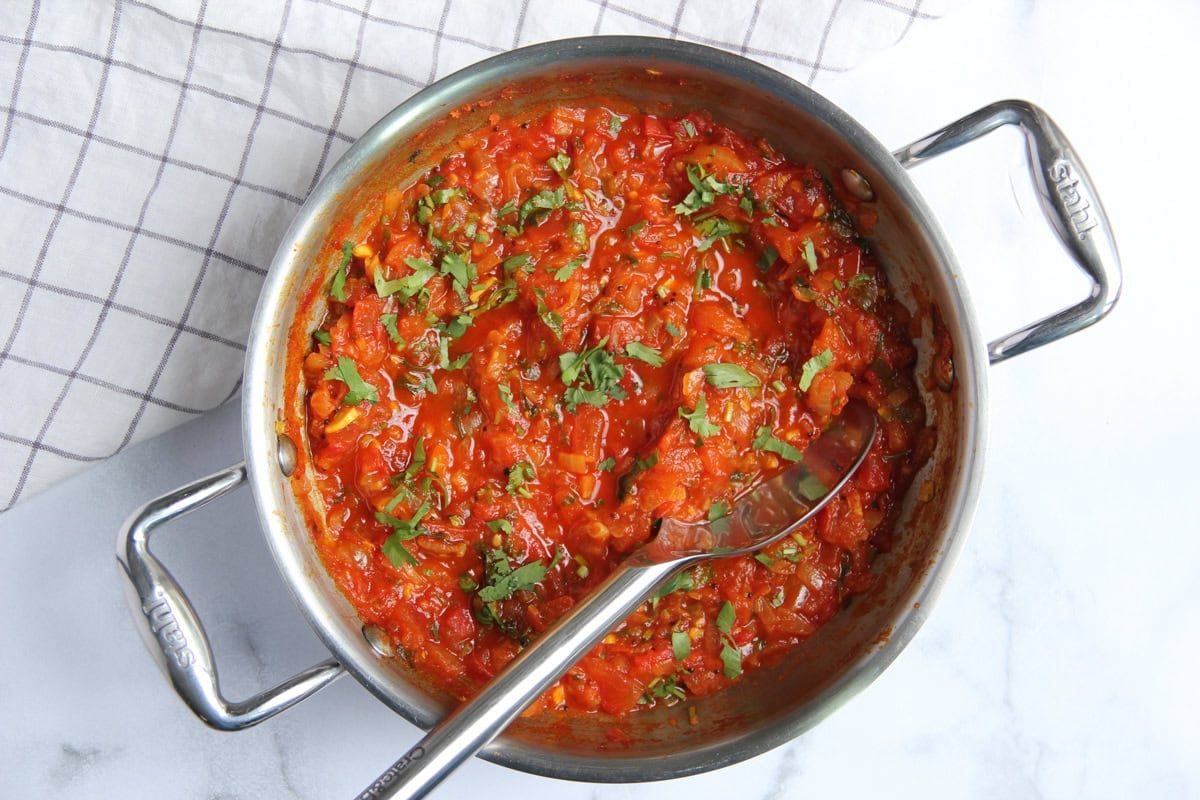
Tomato Chutney: Exploring its Boundless Versatility and Health Benefits
Often celebrated for its vibrant flavor and delightful tang, tomato chutney - Article 1 introduced you to the art of crafting this beloved condiment. But beyond its preparation, tomato chutney is a true culinary marvel, a versatile staple that transcends mere side dish status. Its adaptability allows it to enhance a myriad of cuisines and dishes, proving that a humble blend of tomatoes and spices can achieve extraordinary culinary feats. From a zesty dip to a secret ingredient in complex meals, understanding the full spectrum of its uses unlocks a world of flavor. This article delves deeper into the boundless versatility of tomato chutney, uncovers its surprising health benefits, and offers practical tips for customizing it to perfection, ensuring it becomes an indispensable part of your kitchen repertoire.
Beyond the Basics: The Expansive Versatility of Tomato Chutney
While often associated with Indian meals, the true beauty of tomato chutney lies in its remarkable ability to complement an incredible range of dishes and culinary traditions. It’s far more than just an accompaniment; it can be a primary flavor driver, a delightful dip, or a sophisticated glaze. Its complex profile, balancing sweet, sour, spicy, and umami notes, makes it a true culinary chameleon.
A Culinary Chameleon: Serving Suggestions
Don't limit your tomato chutney to just one type of meal. Here are some inspiring ways to incorporate it:
- Traditional Indian Pairings: The classic choice! Serve it alongside fluffy idlis, crispy dosas, savory uttapam, parathas, or as part of a thali. It beautifully cuts through richness and adds a fresh zing.
- Elevate Everyday Meals: Spread it on sandwiches, wraps, or burgers for an instant flavor upgrade. It makes an excellent alternative to ketchup or mustard. Try it with grilled cheese for a gourmet twist.
- Breakfast Booster: A spoonful on scrambled eggs, an omelette, or avocado toast adds a burst of flavor that transforms a simple breakfast into something special.
- Cheese Boards and Appetizers: Its tangy and sweet profile makes tomato chutney a fantastic companion for various cheeses, crackers, and cured meats. It adds a vibrant color and taste dimension to any platter.
- Marinade or Glaze: Whisk it with a little oil and herbs to create a quick marinade for chicken, fish, paneer, or vegetables before grilling or roasting. Its sugars caramelize beautifully, and the acids tenderize.
- Sauce Base: Incorporate it into pasta sauces, curries, or stews for added depth and a unique tomato base. It can also be thinned down to create a pourable sauce for tacos or enchiladas.
- Dip for Snacks: Serve it as a lively dip for samosas, pakoras, spring rolls, vegetable sticks, or even potato chips. Its zestiness can awaken the palate.
Flavor Profiles and Regional Variations
The flavor of tomato chutney is incredibly adaptable, influenced heavily by regional preferences and the specific spices used. A South Indian style might feature mustard seeds, curry leaves, and a hint of tamarind for a pronounced tang, often served with a slightly smoother consistency. In contrast, some North Indian versions might incorporate jaggery or sugar for a sweeter note, with a stronger presence of ginger, garlic, and perhaps a touch of panch phoron (Bengali five-spice blend). Westernized variations might include balsamic vinegar, brown sugar, and different types of chilies for a sweet and smoky profile that pairs well with barbecued meats. Understanding these nuances allows you to tailor your homemade chutney or select commercial varieties that best suit your taste and intended use.
The Goodness of Tomatoes: Health Benefits in Every Spoonful
Beyond its incredible taste, homemade tomato chutney, especially when prepared with fresh ingredients and minimal added sugar, can offer a surprising array of health benefits. The star ingredient, the tomato, is a nutritional powerhouse, and the spices commonly used in chutney production also bring their own advantages.
Nutritional Highlights of Tomatoes
Tomatoes are renowned for their nutritional value, and consuming them, particularly when cooked as in chutney, can be beneficial:
- Lycopene Powerhouse: Tomatoes are an excellent source of lycopene, a potent antioxidant responsible for their red color. Studies suggest that lycopene may help protect against certain cancers and cardiovascular diseases. Interestingly, cooking tomatoes (like in chutney) can actually increase the bioavailability of lycopene, making it easier for your body to absorb.
- Vitamins and Minerals: They are rich in Vitamin C, an essential antioxidant that supports immune function, and Vitamin K, crucial for blood clotting and bone health. Tomatoes also provide a good amount of potassium, important for blood pressure regulation, and folate.
- Antioxidant Rich: Besides lycopene, tomatoes contain other antioxidants such as beta-carotene, naringenin, and chlorogenic acid, all contributing to cellular protection against free radical damage.
Spice Power: Beyond Flavor
Many of the spices traditionally used in tomato chutney also come with their own health-promoting properties:
- Ginger: Known for its anti-inflammatory and anti-nausea properties.
- Garlic: Contains compounds like allicin, linked to cardiovascular benefits and immune support.
- Turmeric: Famous for curcumin, a powerful anti-inflammatory and antioxidant compound.
- Mustard Seeds: Rich in selenium and magnesium, which have anti-inflammatory effects.
- Chilies: Provide capsaicin, which can boost metabolism and has pain-relieving properties.
While chutney is a condiment and should be consumed in moderation, opting for homemade versions allows you to control sugar and salt content, maximizing its inherent nutritional value.
Making Your Own: Tips for Customizing Your Tomato Chutney
One of the most rewarding aspects of making your own tomato chutney is the endless opportunity for customization. You can tailor it precisely to your palate, experiment with different flavor profiles, and achieve your desired consistency. For even more creative ideas and advanced techniques, be sure to read tomato chutney - Article 3.
Flavor Adjustments for Every Palate
Don't be afraid to experiment with the core components of taste:
- Sweetness: If you prefer a sweeter chutney, add more jaggery, brown sugar, or even a few pitted dates during cooking. For less sweetness, reduce the sugar and balance with more tang.
- Spiciness: Adjust the heat by varying the type and quantity of chilies. Use milder Kashmiri chilies for color with less heat, or fiery bird's eye chilies for a significant kick. You can also add a pinch of chili powder at the end for an extra layer of spice.
- Tanginess: Tamarind pulp, vinegar (apple cider or white), or a squeeze of lemon/lime juice can elevate the tang. Add gradually and taste test.
- Umami: A tiny splash of soy sauce, fish sauce (if not vegetarian), or even a few rehydrated dried mushrooms can add a deeper, savory umami note to your chutney.
- Aromatic Depth: Experiment with different aromatics beyond ginger and garlic. A little star anise, a cinnamon stick, or even a few cloves can dramatically alter the aroma.
Texture Matters: From Smooth to Chunky
The texture of your tomato chutney can significantly impact its appeal and how it's used:
- Chunky: For a rustic feel, chop your tomatoes into larger pieces and cook them down until tender but still discernible. This is great for spreading on toast or burgers.
- Smooth: For a sleek, dip-like consistency, blend a portion or all of the cooked chutney until smooth. A stick blender works wonders for this.
- Partial Blend: A popular choice is to blend about half of the chutney and leave the other half chunky, offering the best of both worlds.
- Adding Crunch: Toast and add a handful of chopped nuts (like peanuts or cashews) or seeds (sunflower, pumpkin) at the very end for a delightful textural contrast.
Storage and Longevity
Proper storage is key to enjoying your homemade tomato chutney for longer. Always sterilize your jars and lids thoroughly before filling. Once cooled, store the chutney in the refrigerator, where it can last for several weeks, if not months, depending on the acidity and sugar content. For longer preservation, tomato chutney freezes exceptionally well. Portion it into freezer-safe containers or ice cube trays for convenient individual servings, and it can last for up to 6 months.
Conclusion
From its humble beginnings as a simple condiment, tomato chutney reveals itself to be a truly extraordinary culinary creation. Its vibrant flavor profile, extensive versatility in pairing with diverse dishes, and the inherent health benefits derived from its key ingredients make it an invaluable addition to any kitchen. Whether you're enhancing a quick breakfast, sprucing up a weeknight dinner, or impressing guests with a sophisticated appetizer, tomato chutney consistently delivers. We encourage you to embrace its limitless potential, customize it to your unique taste, and let this delightful concoction inspire creativity in your cooking. The journey with tomato chutney is one of discovery, flavor, and endless culinary joy.
